GSAI Geophysics Showcases Advanced Chromite Exploration Technologies at EGCE 2025 in Türkiye
Türkiye is one of the world’s most important chromite producers, ranking second globally in chromite output and renowned for its high-grade podiform chromite deposits. The metallogenic setting of Turkish chromite deposits shows strong similarities to those in China, making Türkiye a key region for comparative chromite exploration research and international cooperation.
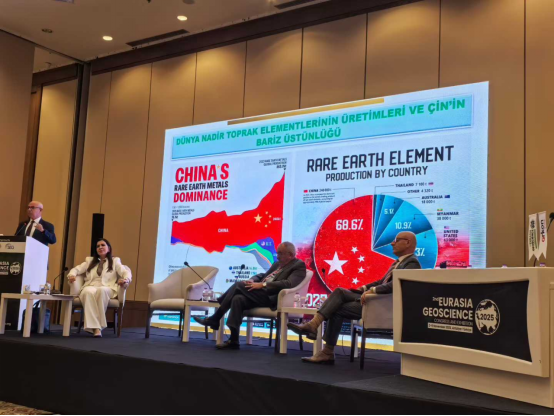
Introduction of China’s rare earth metals dominance
From November 2 to 6, GSAI Geophysics participated in the 2nd Eurasian Geosciences Conference and Exhibition (EGCE 2025) held in Türkiye. Despite the long journey, the GSAI team attended the conference to exchange the latest scientific insights and technological advances in chromite exploration with the international geoscience community.
EGCE focused on three main topics, which are as follows:
A. Oil & Gas Exploration: Data Acquisition, Processing and Interpretation
B. Advanced Engineering Research in Geotechnical, Environmental, Mineral, and Energy Resource Exploration
C. Earth Science Research Supporting the United Nations Sustainable Development Goals
During the conference, GSAI Geophysics delivered two oral presentations, highlighting recent research progress and innovative geophysical exploration methodologies for chromite deposits.
Our R & D team leader Associate Professor Rujun Chen is delivered a presentation entitled “Principle and Application of an Array Spread-Spectrum Induced Polarization Instrument with Large Depth Exploration Capability”. The presentation introduced the theoretical basis and field applications of spread-spectrum induced polarization (SSIP) technology, emphasizing its superior depth penetration and effectiveness in detecting concealed podiform chromite orebodies. The results demonstrated significant advances in chromite target delineation using SSIP methods.
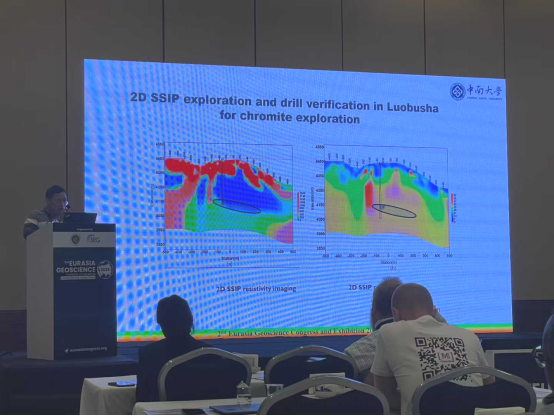
A. Prof. Rujun delivering his oral presentation at EGCE 2025
Our R& D team member PhD student Ashraf Tag Eldeen Elfadol Mohamed presented a paper entitled “Petrophysical Characteristics of the Dingqing Chromite Deposit in Lalaka and Effectiveness Analysis of Geophysical Exploration”. His presentation focused on the petrophysical properties of chromite-bearing rocks and provided a quantitative evaluation of the effectiveness of different geophysical methods in complex ophiolite environments.
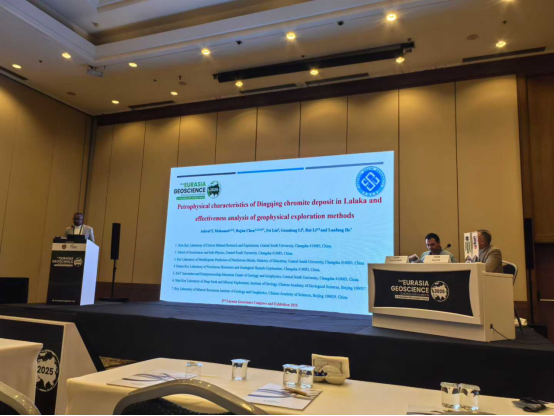
PhD student Ashraf delivering his oral presentation at EGCE 2025
In addition to the academic presentations, GSAI Geophysics exhibited several advanced geophysical instruments at EGCE 2025, including:
l GS2IP Spread-Spectrum Induced Polarization (SSIP) Instrument
l GSTEM-MIMO Transient Electromagnetic Instrument
l GSEM-W10 Audio-Magnetotelluric (AMT) Instrument
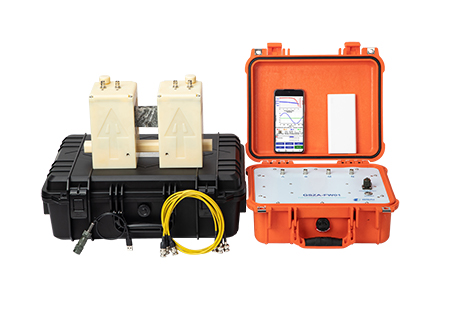
l GSZA-FW01 Broadband Rock/Ore Specimen Complex Impedance Analyzer
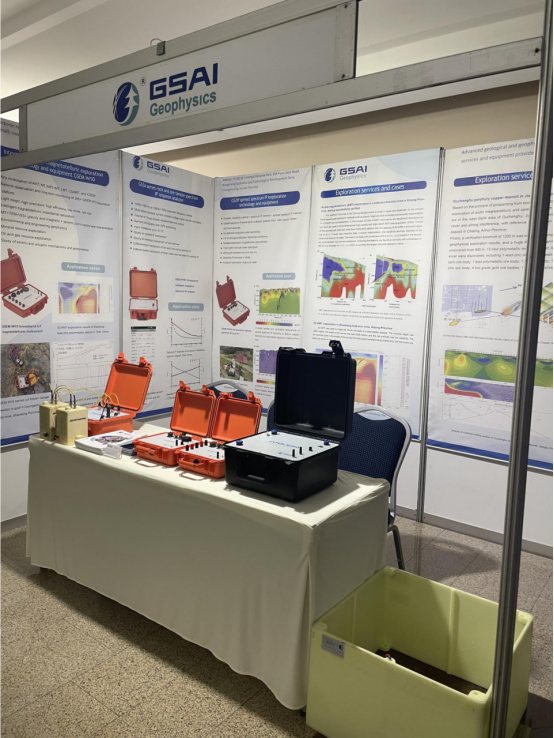
GSAI Geophysics Booth on EGCE conference
These instruments attracted significant attention from professors, researchers, and professional geophysicists, who expressed strong interest in their technical performance, deep exploration capability, and applicability to podiform chromite deposits in ophiolite belts. Many attendees expressed recognition of Chinese geophysical technologies and showed interest in future technical cooperation.
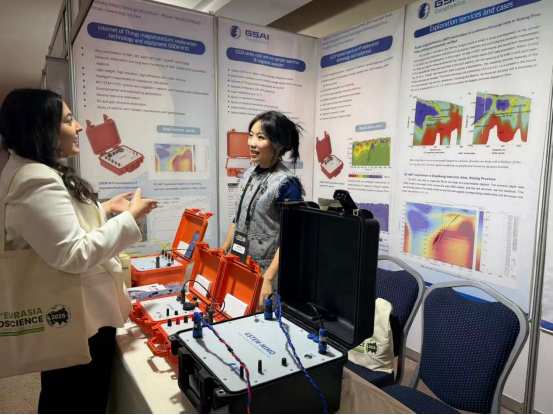
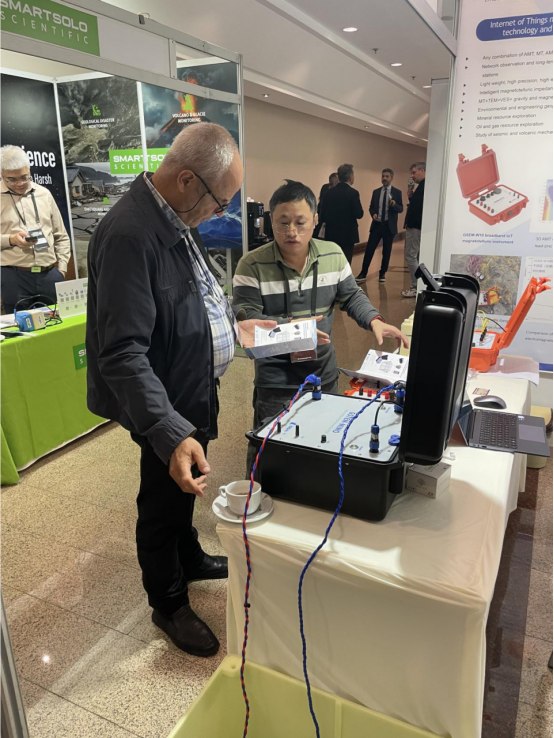
Discussing our cases with Turkish geophysicist
The successful participation in EGCE 2025 further strengthened GSAI Geophysics’ international academic exchange and demonstrated its growing influence in the field of chromite exploration technologies. GSAI Geophysics remains committed to advancing geophysical innovation and fostering global collaboration to support efficient and sustainable mineral exploration worldwide.
-
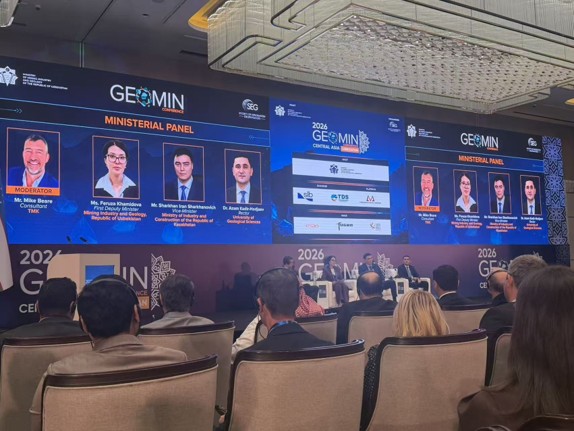 Connecting with Central Asia, Advancing Exploration Innovation | GSAI at GEOMIN 20262026-10-13
 -
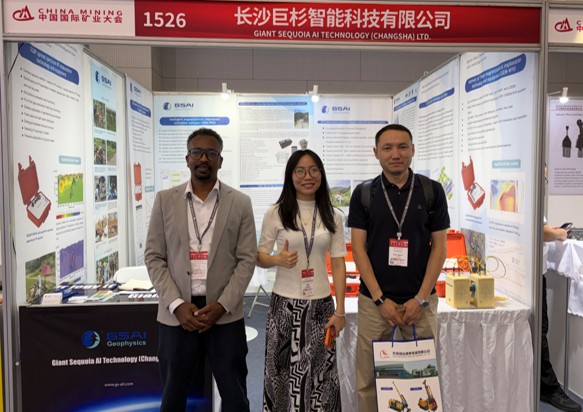 GSAI Concludes a Successful Showcase at the 2026 China International Mining Conference Connecting Global Mining Through Geophysical Innovation2026-10-13
 -
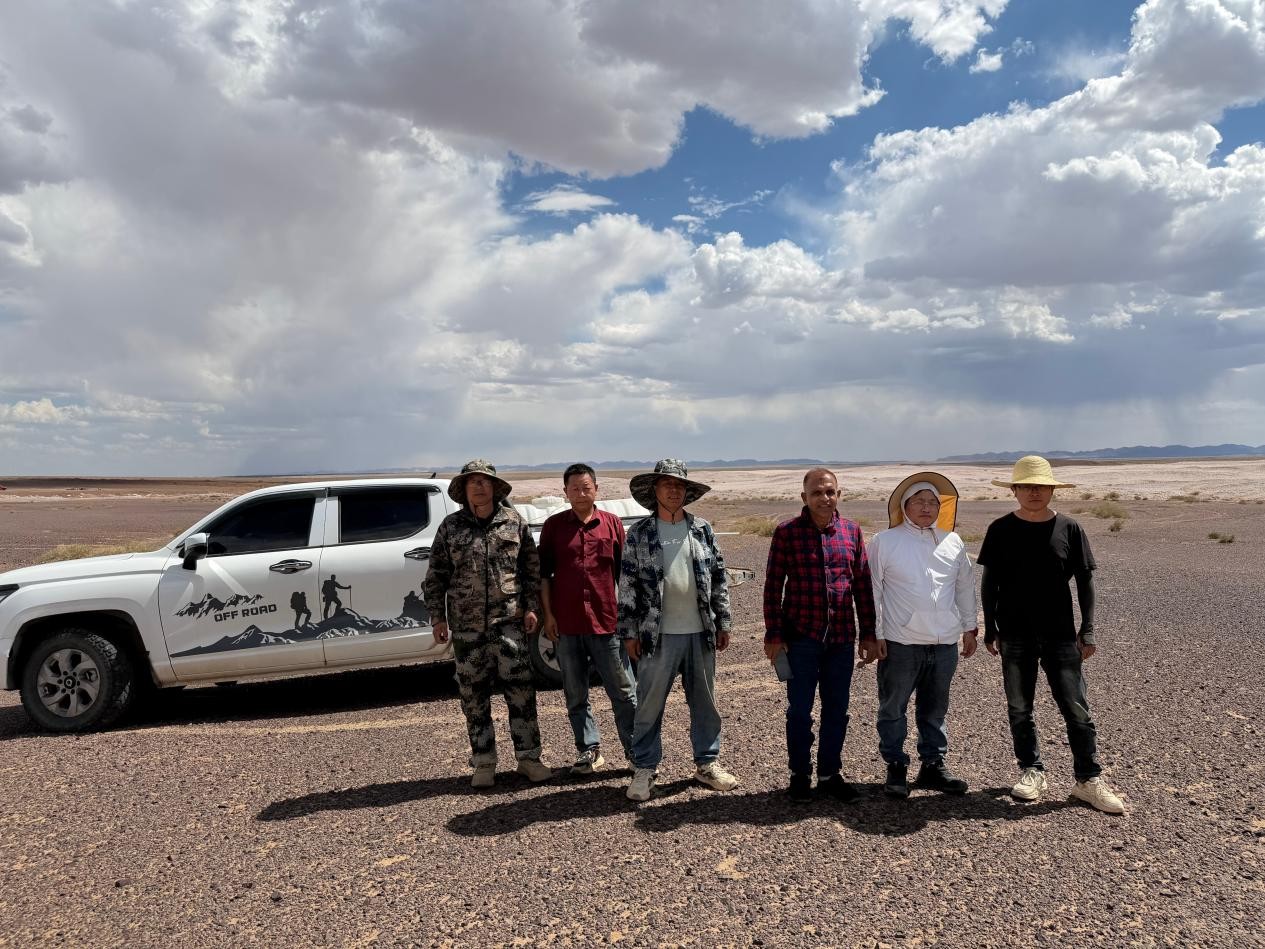 Sri Lankan Mining Delegation Visits GSAI Geophysics, Opening a New Chapter in China-Sri Lanka Cooperation in Geophysical Exploration and Scientific Research2026-08-01
 -
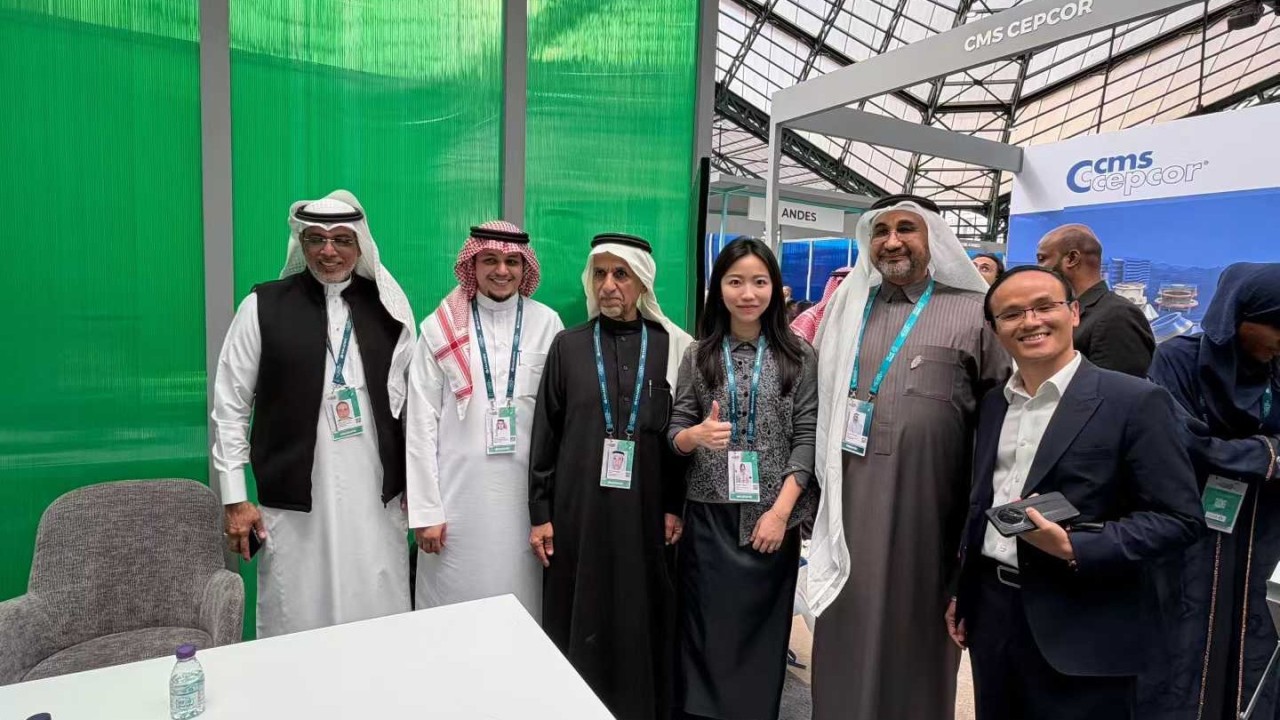 GSAI Geophysics Participates in FMF 2026 in Riyadh, Strengthening Cooperation in the Middle East2026-01-23
 -
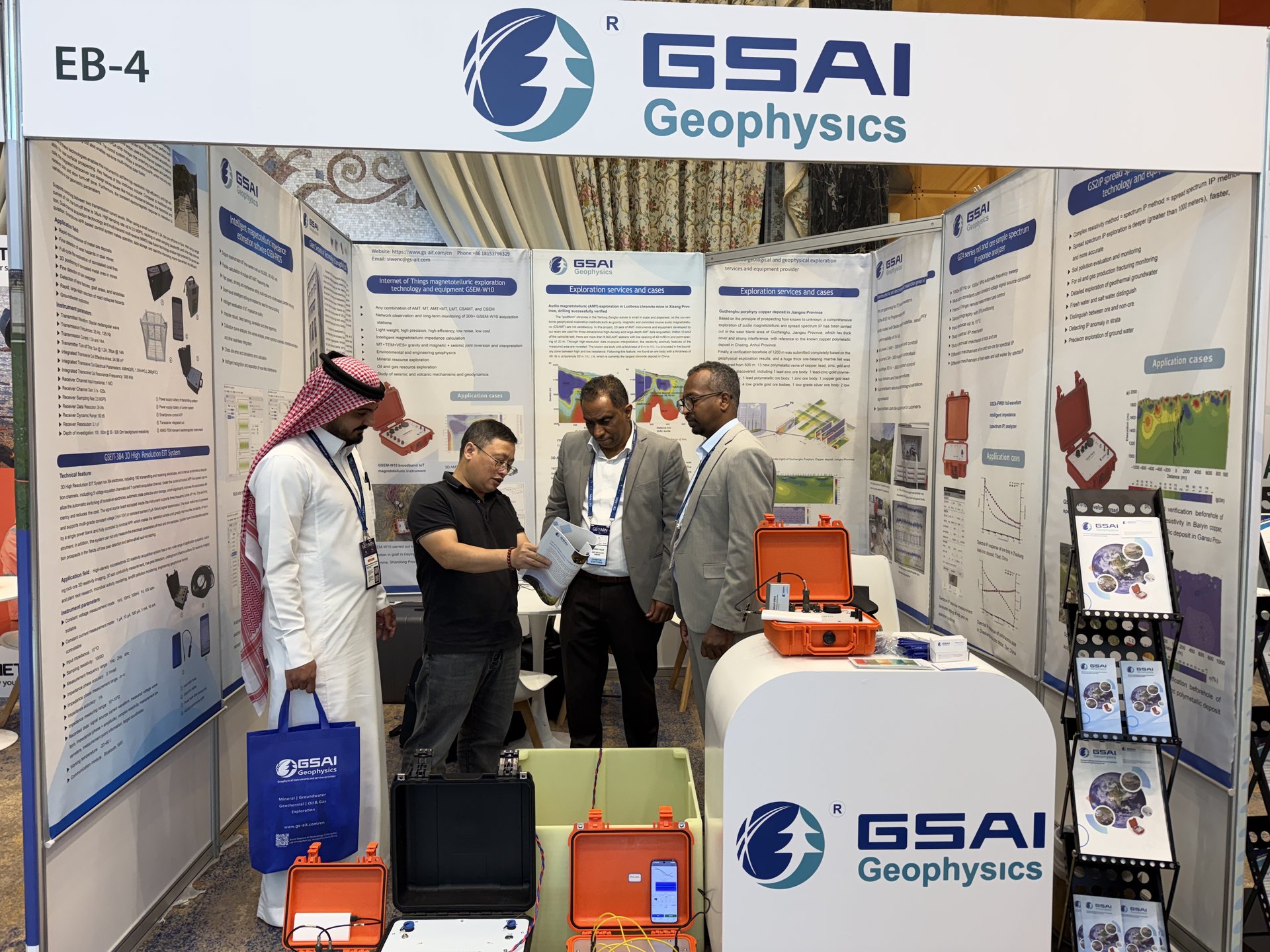 GSAI Geophysics Showcases Innovation and Global Vision at GEOMIN 2025, Saudi Arabia2026-01-23
 -
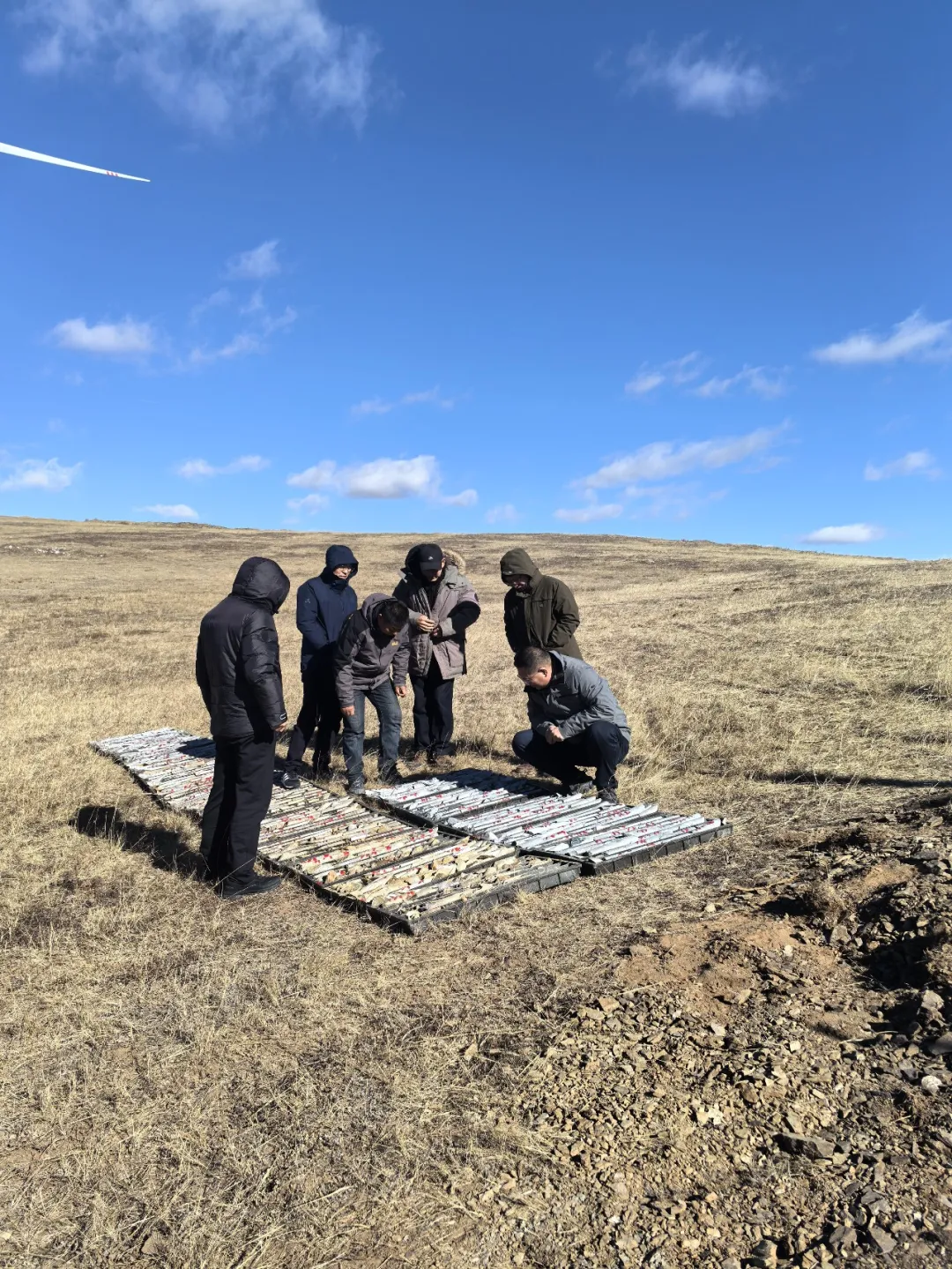 Gold Award! Integrated Multi-Method Geophysical Exploration Drives Breakthrough in Graphite Prospecting2026-01-20
-
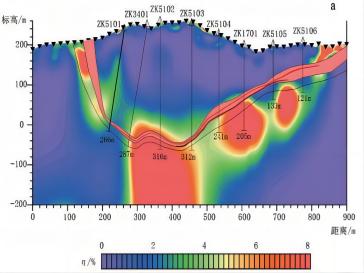 New Technology: Analysis of Mineral Prospecting Effectiveness Using Spread Spectrum Induced Polarization (SSIP)2024-11-13
 -
 Exploration and breakthrough of anti-interference AMT/MT and spread spectrum IP -- A report of Chen Rujun, School of Geosciences and Info-physics, Central South University2024-01-19
 -
 Chen Rujun: Interpretation of deep secret exploration of unknown treasures2023-12-26
 -
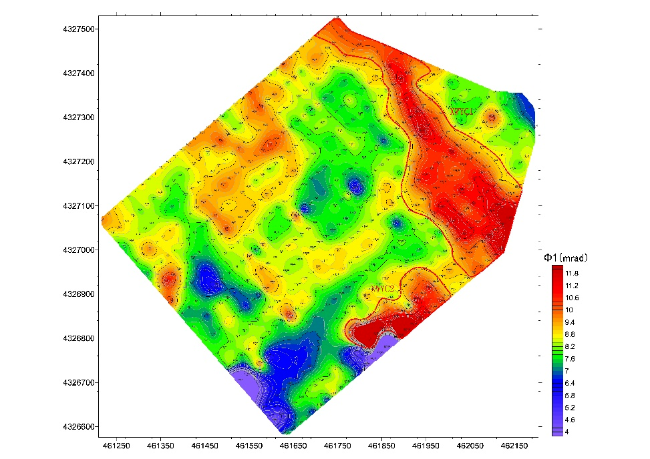 For the first time, the spread spectrum IP method was successfully introduced into the accurate detection of hidden fire source in Chongqing Research Institute of China Coal Science2023-12-25
 -
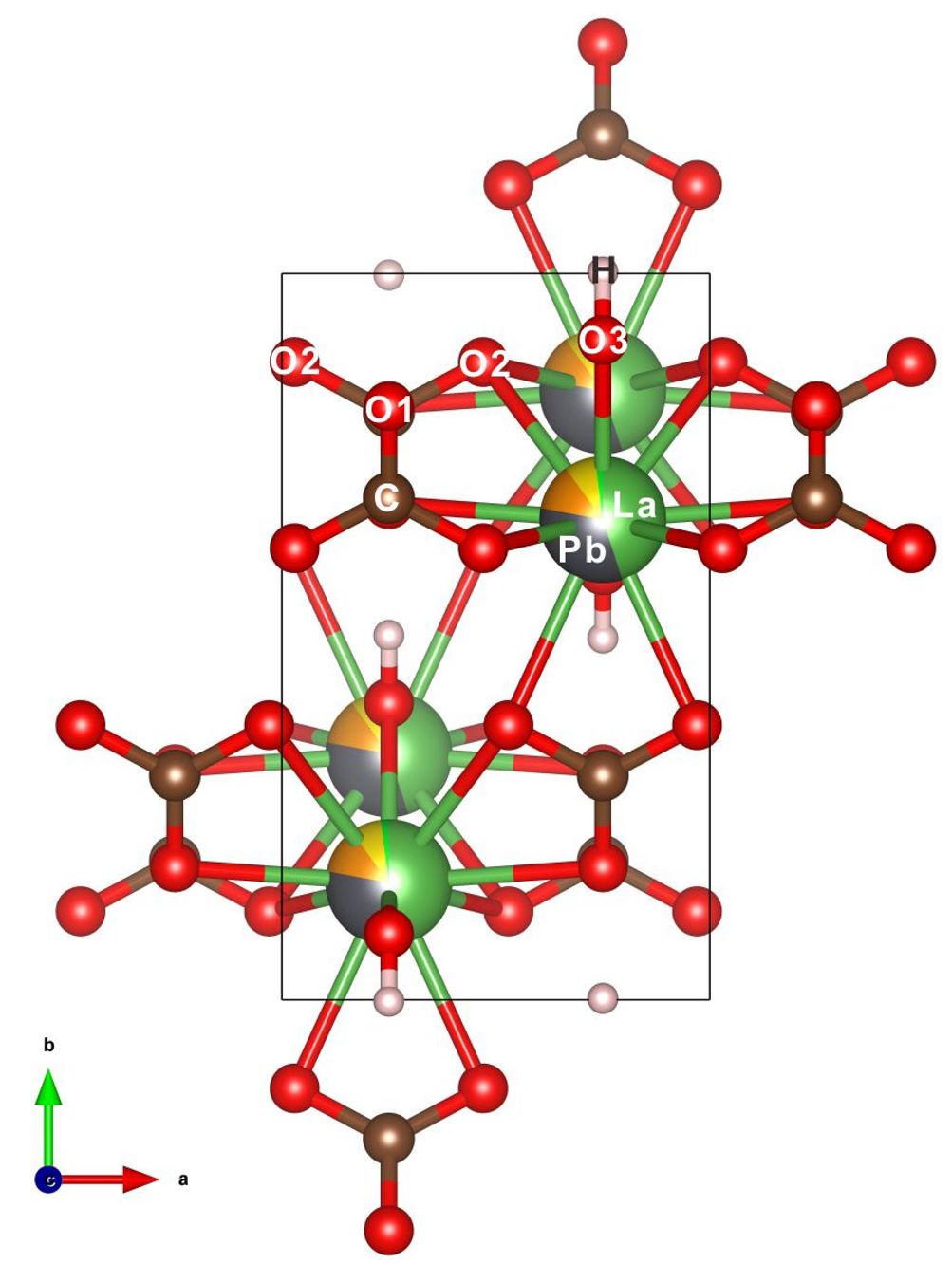 Wu Bin, Gu Xiangping et al. : The discovery of a new rare earth carbonate mineral, C-Pb lanthanide2022-05-04
 -
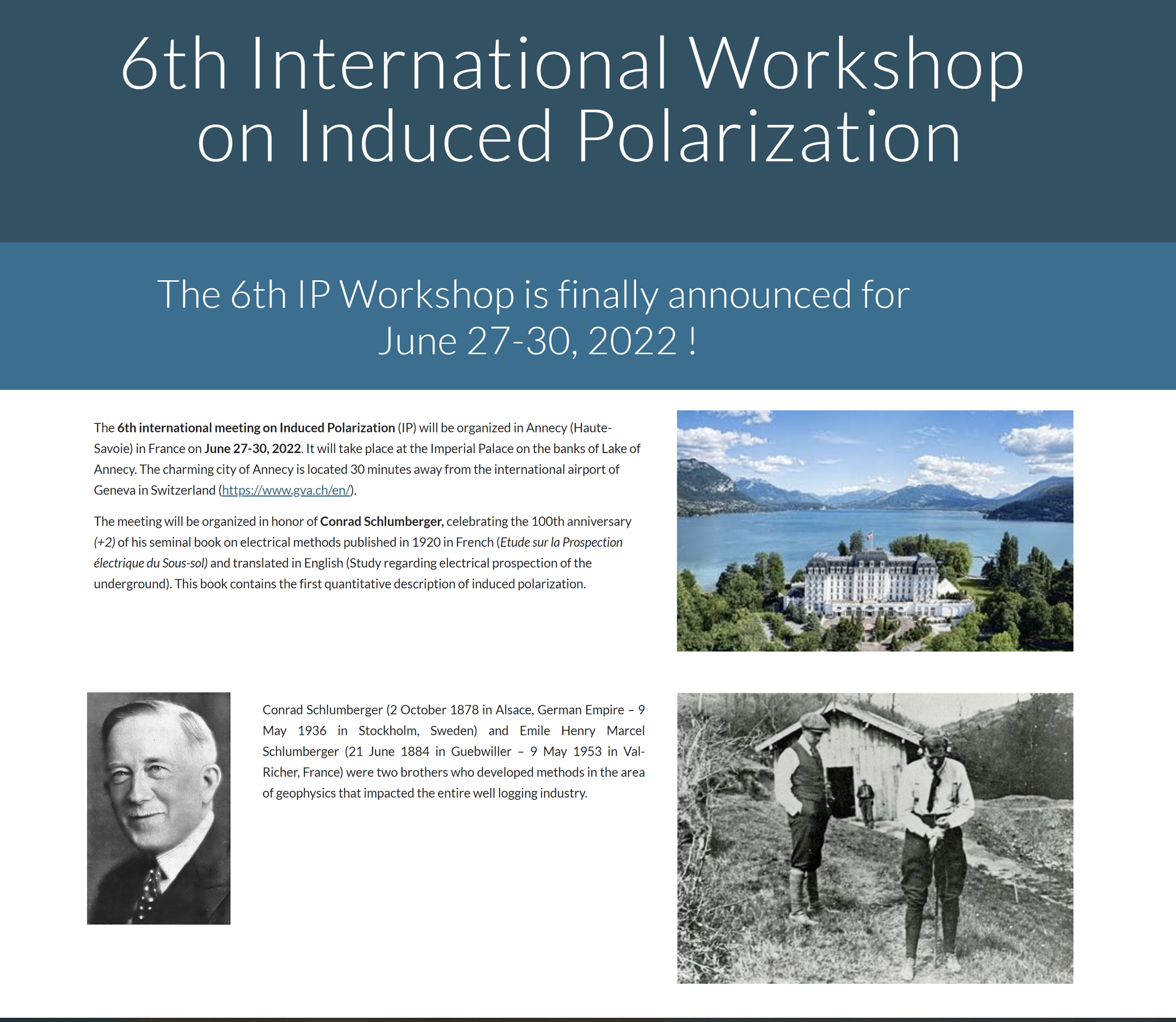 The 6th International IP Workshop2022-05-03